




This post is also available in:
 Español (Spanish)
Good digestion is key to good health. When the stomach works properly, it sterilizes food, activates bile and enzymes, and helps the body absorb nutrients efficiently. When it doesn’t, undigested proteins, acids, and bacteria can enter the intestines, feeding harmful pathogens and disrupting the body’s natural chemistry. The stomach is the most common entry point for parasites and pollutants (the drivers of disease); therefore, its proper function serves as a vital barrier against disease. In Dr. Clark’s therapy, ensuring proper digestion is one of the first steps toward achieving better health.
The stomach’s hydrochloric acid (HCl) breaks down food and kills bacteria, viruses, and parasite eggs. When stomach acid is too low, a condition called achlorhydria, digestion slows down, food ferments, and harmful microbes multiply. This imbalance weakens immunity, reduces nutrient absorption, and burdens the liver and intestines. Correctly balancing stomach acid and restoring digestive power is part of Dr. Clark’s cleansing programs. She also investigated cases of over-acidification. As a fact, she found that this is often a misdiagnosis. Heartburn, reflux, and stomach pain are usually blamed on too much acid. In almost every case she analyzed, the stomach produces too little hydrochloric acid (HCl), not too much!
How to maintain a well – functioning stomach
1. Restore natural acidity
Healthy digestion depends on sufficient hydrochloric acid. Avoid antacids and instead support acid production:
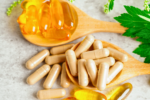
- Take Betaine HCl (1–2 capsules with each meal).
- Alternatively, use HCl drops (5 %), 5 to 15 drops per meal, up to 45 drops per day.
- Eat slowly, chew well, and avoid drinking large amounts of liquid during meals.
2. Protect and rebuild the gastric mucosa
A strong stomach lining prevents acid irritation and self-digestion.
- Use Quassia (1–2 g, 2–3 times daily before meals) as a bitter tonic to stimulate acid and bile flow.
- Take Slippery Elm powder (1–2 tablespoons daily) to soothe and regenerate the mucosa.
3. Support enzymatic and bile activity
Stomach acid triggers pancreatic and gallbladder secretions that complete digestion.
- Take digestive enzymes (2–4 capsules per meal) to assist protein, fat, and carbohydrate breakdown.
- Add fennel capsules (3–6 per meal) to reduce gas and bloating.
4. Sterilize food and remove pathogens
Pathogenic bacteria such as Salmonella or Shigella can survive in improperly prepared meals.
- Disinfect foods with Lugol’s iodine solution (6 drops in ½ glass of water after meals) or an HCl/vinegar rinse.
- Use oregano oil and turmeric in cooking for additional antibacterial protection.
5. Combine with overall clean-ups
Even perfect digestion cannot protect the body if environmental toxins persist. Dental metals, solvent residues, and parasites must be removed to restore full health. Good stomach function ensures that subsequent liver, kidney, and bowel cleanses work more effectively.
Daily digestive support schedule
| Time | Supplement / Action | Dosage & Notes |
| Before meals | Raw beet cocktail | 2 tbsp in a little water + 1 drop HCl to prime stomach acid |
| With meals | Betaine HCl | 1–2 capsules per meal |
| Digestive enzymes | 2–4 capsules per meal | |
| Fennel capsules | 3–6 capsules per meal | |
| After meals | Lugol’s iodine | 6 drops in ½ glass of water to sterilize the stomach and intestines |
| Between meals | Quassia tincture or tea | 1–2 g, 2–3 times daily |
| Slippery Elm | 1–2 tbsp daily to heal and protect mucosa |


Leave a Reply
You must be logged in to post a comment.